Toolkit testing, workshop facilitation, co-creation and prototype development
HCD for Nutrition Sensitive Social Protection: Provision of Dairy in School Feeding Program
GAIN, a Swiss-based foundation dedicated to addressing malnutrition with a mission of improving healthier diets for all especially the most vulnerable by improving the availability, affordability, desirability, and sustainability of nutritious and safe foods.
GAIN believes that integrating Human-Centered Design (HCD) approaches, particularly through participatory methods that amplify the voices of beneficiaries, is essential for ensuring that social protection programs meet the specific nutritional needs of households and communities. To support this, GAIN developed a comprehensive toolkit to guide the implementation of HCD in social protection initiatives.
As part of testing this toolkit in real-world scenarios, GAIN explored how HCD could enhance the nutritional value of school feeding programs by incorporating dairy
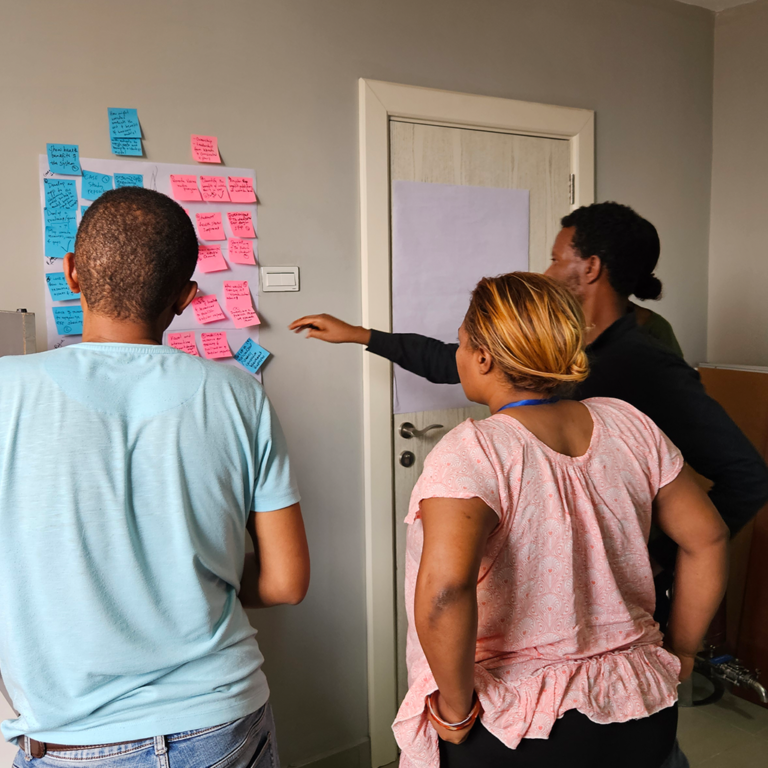
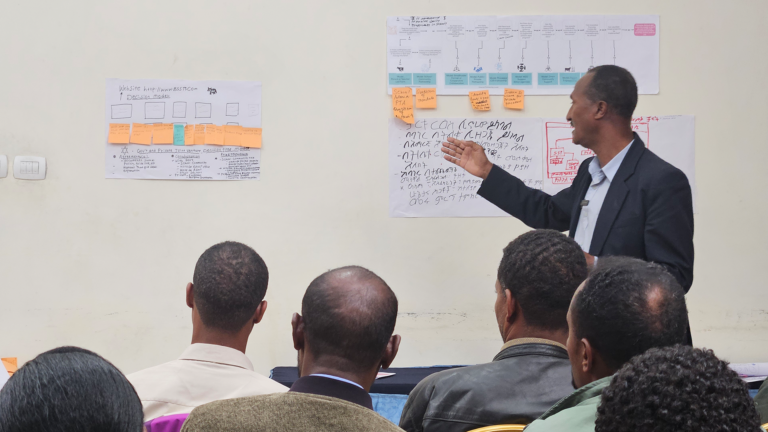
To achieve these objectives, Derz facilitated a series of collaborative working sessions with GAIN and its partners. Partners include SNV, World Food Program (WFP), the Ethiopian School Meal Initiative, and the Ministry of Education. These sessions were truly collaborative and had the co-creation in their core as partners were engaged from the start by identifying the design question, developing learning objectives, and uncovering opportunity areas. Derz’s role included planning and facilitating these sessions, conducting interviews, mapping the existing systems, idea generation and developing low fidelity prototypes for testing. These prototypes were further refined with input from the school and woreda administrations, parent-teacher associations, and other relevant stakeholders for testing. An early testing was also conducted in a dedicated workshop with school and woreda administration.
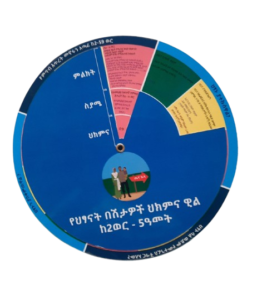
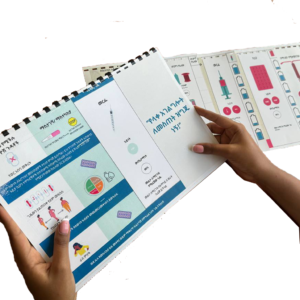
The project resulted in the creation of a decision-making guide tailored for school administrators. This tool helps schools identify contextual and viable models for integrating dairy into their current school feeding programs. The guide will initially be used to support decision-making and provide a checklist for implementing these models.
The project is handed over to the GAIN team, who is preparing to test a high fidelity prototype in selected schools during the 2024/25 academic year.
Explore more
Last Mile Health
Revitalising Community Based Newborn Care and integrated Community Case Management in Ethiopia
ICAF
Improving contraceptive counseling and follow-up care in Ethiopia and Kenya
ALX
User understanding and experience design
ALX-Pathways
Assessing the market for New Product Launch - Pathways