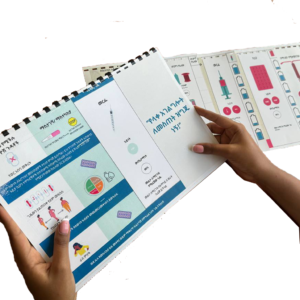
Revitalizing Community Based Newborn Care and integrated Community Case Management in Ethiopia
Last Mile Health is a global NGO dedicated to saving lives in remote communities and improving access to essential health services. Last Mile Health focuses on delivering care, upskilling health workers, and strengthening community health systems. In Ethiopia, Last Mile Health has introduced innovation in training community health workers—known nationally as health extension workers—by developing a blended learning approach that incorporates both digital and in-person elements into standard training modules.
Last Mile Health aimed to design and pilot context-specific solutions to improve the quality, coverage, and uptake of life-saving newborn and child health interventions. Recognizing the importance of engaging community and frontline health workers, Last Mile Health used the Human-Centered Design approach as a key tool for assessment and solution design.
In response to this request, Derz conducted an assessment across three regions, gathering insights and identifying gaps in the Integrated Community Case Management system. By engaging community health workers, caretakers, and key stakeholders )including woreda and regional administrators), we identified the most pressing needs and pain points, and gained an in-depth understanding of the target audience’s beliefs, experiences, desires, and expectations. We combined these findings with Last Mile Health’s quantitative and qualitative data to synthesize and develop insights leading to initial concepts.
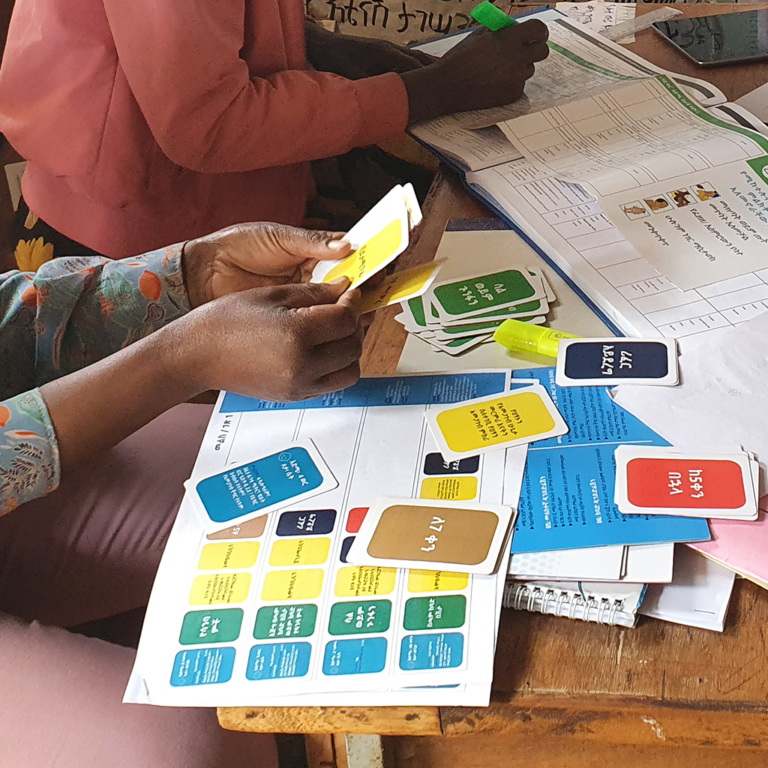
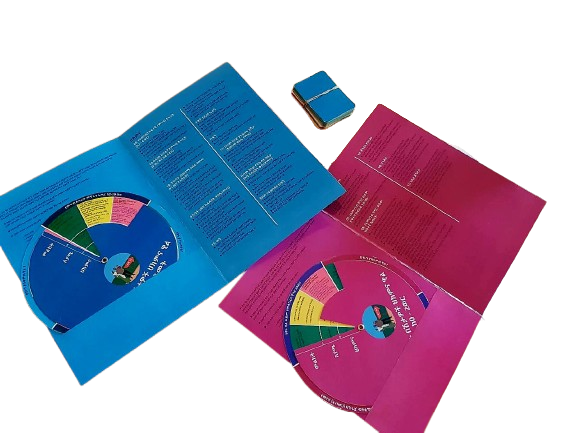
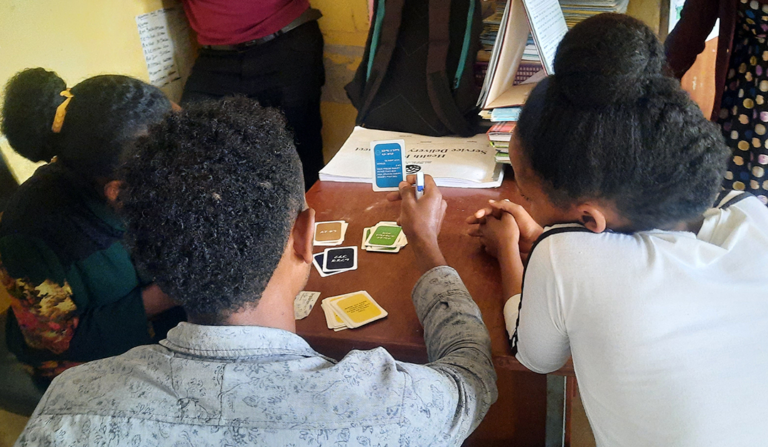
These initial ideas became the foundation for a co-creation session with community health workers, health center supervisors, and regional stakeholders. Through participant feedback, the prototypes were iterated and refined. After further iterations, nine prototypes were developed and tested over 12 weeks in 15 health posts across three regions. This testing validated the solutions and provided key inputs for further refinement.
The prototypes led to significant improvements in the care of under-five children, including faster and more effective patient identification, assessment, and delivery of quality care. In the mid- and end-line assessments, we reviewed the desirability, feasibility, viability, and sustainability of the prototypes. Key outcomes included enhanced community health worker knowledge and skills, improved assessment and diagnosis capabilities, increased care-seeking behavior, and facilitation of continuous care for under-five children.
Explore more
ALX
User understanding and experience design
ALX-Pathways
Assessing the market for New Product Launch - Pathways
GAIN
Provision of diary in school feeding program (Nutrition sensitive social protection using HCD)
ICAF
Improving contraceptive counseling and follow-up care in Ethiopia and Kenya