Improving contraceptive counseling and follow-up care in Ethiopia and Kenya
The project was commissioned by the University of California, San Francisco (UCSF). Other partners include the Kenya Medical Research Institute (KEMRI), St.Paul Hospital Millennium Medical College (SPHMMC), and University of Michigan (UM).
This project is funded by the Bill & Melinda Gates Foundation.
Hormonal contraceptives, though effective, often bring about menstrual bleeding changes, which many women find undesirable. This issue is one of the main reasons women stop using contraceptives, coupled with a fear of infertility. To address these concerns, high-quality contraceptive counseling and follow-up care are crucial. The Innovations in Counseling and Follow-up (ICAF) project seeks to create interventions that improve how healthcare providers help women manage bleeding and other side effects. Derz was brought on board to dive deep into understanding women’s contraceptive concerns, designing new counseling strategies, and developing tools that would make contraceptive use more aligned with women’s preferences, ultimately empowering them to make informed choices.
A Human-centered Design (HCD) approach was employed to delve deeper into findings from the formative research that was conducted initially. The HCD process lasted 18 months and consisted of the following activities.
Insight gathering: Conducting qualitative insight gathering through interviews with women and healthcare providers in public facilities in Addis Ababa and Nairobi
Synthesis: Synthesizing findings using journey maps, personas, storytelling and through formulating insight statements
Prototyping: Conducting two rounds of prototype testing with women and healthcare providers in both countries
Co-creation: Facilitating all-partner collaborative working sessions (both in-person and remotely) throughout the process. This involved researchers, designers, and funders from Ethiopia, Kenya, and the United States
Community engagement: Facilitating a total of 6 community design workshops, held at critical stages of the process, in both countries
Outputs
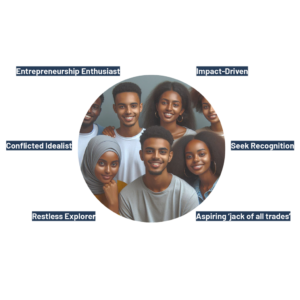
Personas that articulate new and repeat users’ needs
Journey maps for public health facility users
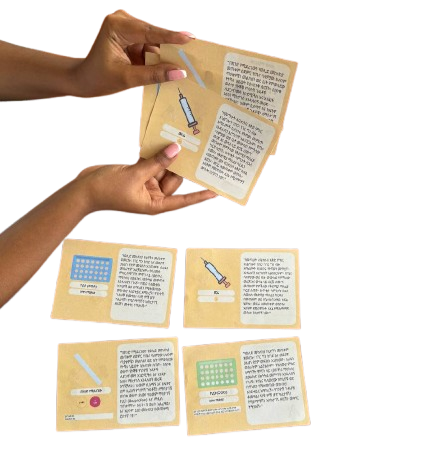
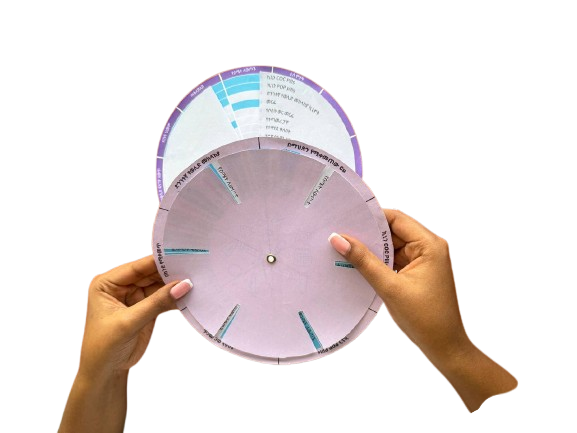
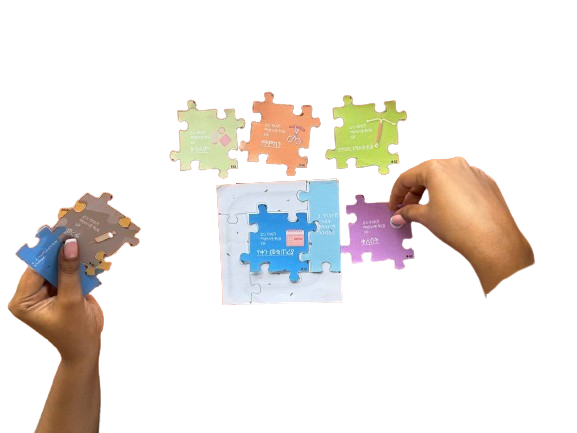
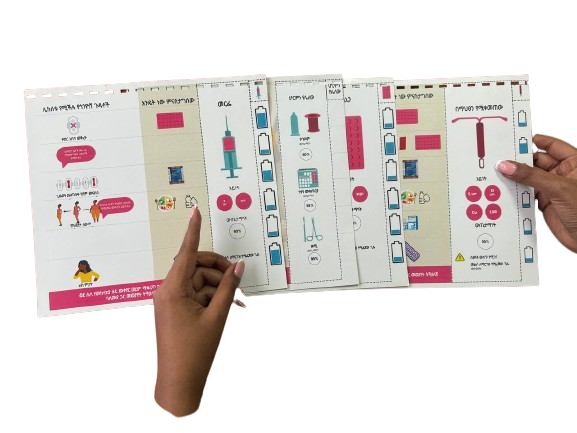
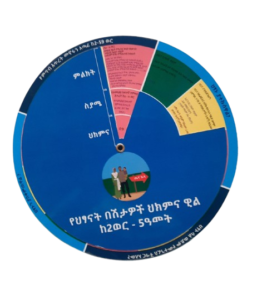
Rough prototypes that aim to test how we might enhance counseling and follow up services
Final solutions across the journey
Reports at key stages of the process (insight gathering, prototype testing, and final intervention package)
The project is in the pilot phase, the first pilot will be in Addis Abeba. Derz has handed over the final design to the piloting team.
Explore more
ALX
User understanding and experience design
Last Mile Health
Revitalising Community Based Newborn Care and integrated Community Case Management in Ethiopia
ALX-Pathways
Assessing the market for New Product Launch - Pathways
GAIN
Provision of diary in school feeding program (Nutrition sensitive social protection using HCD)